
Navigating Gangnam Clinics: The Ultimate Transit and Travel Guide for Medical Tourists
📅 2026-07-19
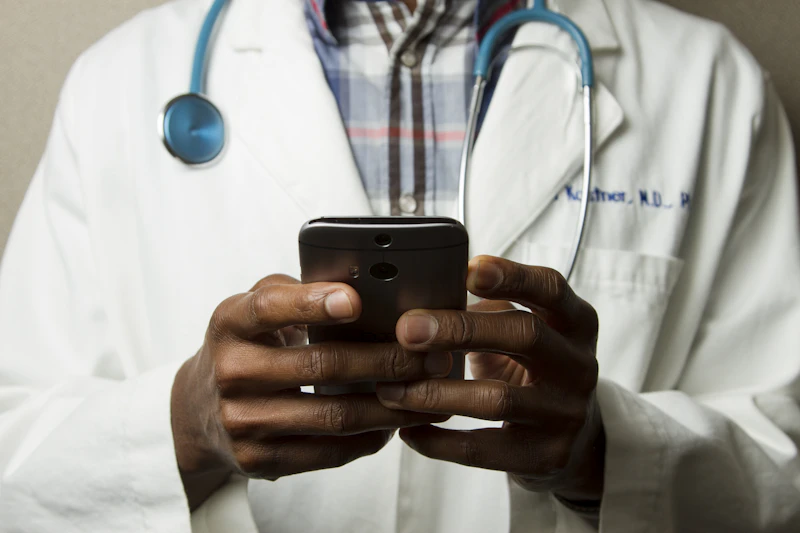
Navigating Seoul's busiest medical district does not have to be an overwhelming experience. Every year, thousands of international patients arrive in the Gangnam district seeking world-class dermatological, cosmetic, and dental treatments. However, stepping out into the bustling streets of Seoul for the first time can feel dizzying.
To ensure you arrive at your appointment relaxed and on time, you need a practical understanding of local transit, walkability, and clinic preparation. This guide breaks down exactly how to navigate the medical corridor, coordinate your booking, and protect your health during your medical trip.
Seamless Pre-Trip Planning: Bookings and Deposits
Getting to the clinic is only half the journey; setting up your visit properly ensures you do not waste a trip across the globe.
Securing Your Booking
Most international clinics in Gangnam allow you to schedule consultations via global messaging apps like WhatsApp, KakaoTalk, or WeChat. Try to secure your appointment at least 4 to 8 weeks in advance, especially if you plan to visit during peak medical tourism seasons (winter and summer school holidays).
Managing Deposits Safely
Many clinics require a safety deposit to secure your consultation or surgery slot.
- Use secure payment gateways or major international credit cards where possible.
- Always request a formal, written receipt via email or PDF.
- Understand the cancellation policy. In Korea, consumer protection laws protect your right to a deposit refund if you cancel within a certain timeframe, but policies vary. Always get the refund terms in writing before sending funds.
Overcoming the Language Barrier
While many premier clinics employ in-house coordinators, you should never assume everyone speaks fluent English.
- Request an Interpreter: When booking, ask explicitly: "Will there be a dedicated, fluent English-speaking coordinator or medical translator present during my consultation and procedure?"
- Medical Translation: For complex surgical procedures, having a certified medical translator is highly recommended to prevent any miscommunication regarding your goals and medical history.
Post-Treatment Recovery and Your Stay
Your recovery environment is just as important as the procedure itself. When booking your accommodations, prioritize proximity to your primary transit hubs.
- Choose a Strategic Recovery Stay: Look for hotels or serviced apartments within a 5-minute walking distance of Gangnam Station or Sinnonhyeon Station. Minimizing your walking distance after a procedure reduces exposure to wind, dust, and physical strain.
- Post-Op Transit Restrictions: Avoid using the crowded subway during rush hour immediately after a procedure. The physical jostling of crowds can cause discomfort or damage dressings. Budget for a taxi ride back to your hotel on the day of your treatment.
Relying on Verified Data for Your Journey
When planning your medical trip, make sure you are sourcing your information from verified, safe avenues.
On the KR Care map, all listed clinics are sourced directly from official Korea Tourism Organization (KTO) medical-tourism registries. This ensures that the facilities you view are licensed, audited, and legally permitted to treat international patients.
Note: While KR Care maps provide verified listings, medical policies, pricing, and operating hours change frequently. Always reach out directly to your chosen clinic to verify their current booking requirements, staff availability, and specific transit instructions before your flight.
Ready to map out your journey? Use the KR Care map and clinic list to search for verified medical facilities, check real-time distances from nearby subway exits, and plan your safest route through the heart of Gangnam today.
Was this page helpful?
Your feedback helps us improve our guides