
Health Checkups for International Visitors in Korea: A Practical Planning Guide
📅 2026-08-31
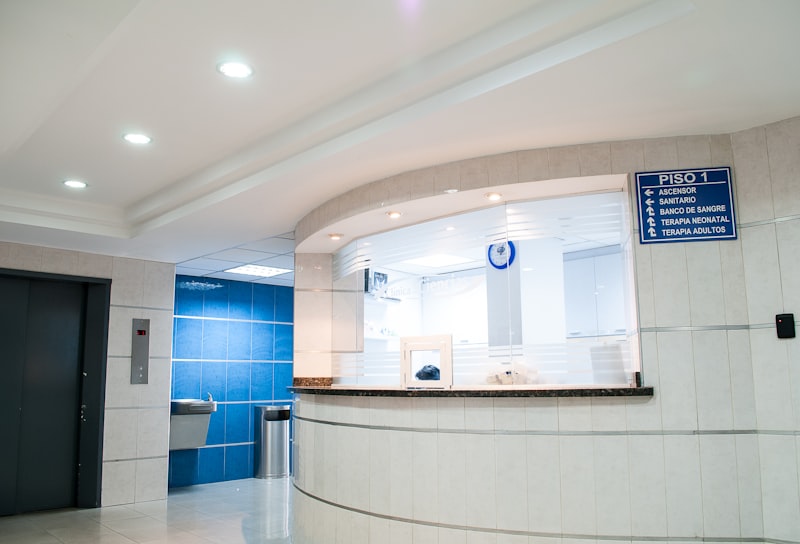
Comprehensive health checkups are one of the fastest-growing reasons international visitors come to South Korea. Major hospitals and specialized screening centers offer structured packages that combine imaging, blood work, specialist consultations, and same-day or next-day results. For busy travelers, completing a full screening in one or two days can be far more efficient than scheduling the same tests over months at home.
However, package names, included tests, and reporting formats vary widely between institutions. Without preparation, you may book a program that does not match your age, risk profile, or language needs. This guide walks international visitors through planning a successful health checkup in Korea.
What a Korea Health Checkup Typically Includes
Health screening programs in Korea are usually sold as tiered packages rather than à la carte menus. Common components include:
- Vital signs and physical examination by an internal medicine physician
- Blood and urine panels covering metabolic, liver, kidney, and lipid markers
- Imaging such as chest X-ray, abdominal ultrasound, and sometimes low-dose CT depending on the package
- Cancer screening add-ons including gastrointestinal endoscopy, colonoscopy, or gender-specific tests
- Specialist review and a final consultation summarizing findings
Premium packages at university-affiliated hospitals may add cardiac stress testing, advanced imaging, dental screening, or hearing and vision baselines. Always request a written list of included tests in English before paying a deposit.
Who Should Consider a Checkup During Travel
Health screenings in Korea appeal to several groups of international visitors:
- Preventive-minded adults who want a baseline before midlife or after a lifestyle change
- Expatriates and long-stay visitors establishing care in a new country
- Family members accompanying a patient for cosmetic or dental treatment who want to use the trip productively
- Executives and frequent travelers seeking consolidated testing with rapid turnaround
Checkups are generally not emergency services. If you have acute symptoms, seek urgent care rather than booking a screening package.
Choosing Between Hospital and Screening Center
Large university hospitals offer depth of subspecialty backup if a test finds something that needs follow-up. Dedicated screening centers often provide a smoother, hotel-like experience with shorter wait times and streamlined same-day flow.
Consider these factors:
- Follow-up capacity: If a scan shows an abnormality, can the same institution arrange specialist referral quickly?
- Language support: Is there an international patient desk, English report translation, or on-site medical interpreter?
- Fasting and scheduling: Many packages require overnight fasting. Confirm start time, total duration, and whether sedation for endoscopy adds recovery hours.
- Location and lodging: Screening days are long but usually not bed-bound. Staying near the facility reduces early-morning stress.
How to Prepare Before Your Appointment
Proper preparation improves test accuracy and keeps your day on schedule.
One to Two Weeks Before
- Gather prior medical records, medication lists, and allergy information
- Inform the center of implants, pacemakers, or pregnancy, as these affect imaging choices
- Ask whether you must stop supplements that thin blood or affect liver enzymes
- Confirm whether colonoscopy or endoscopy prep requires a special diet the day before
The Day Before and Day Of
- Follow fasting instructions exactly; even coffee or chewing gum can invalidate certain labs
- Wear comfortable clothing and avoid metal accessories if MRI is included
- Bring your passport, confirmation documents, and payment method
- Arrange for a companion if sedation is planned; you may not be permitted to leave alone
Understanding Results and Follow-Up
Most centers provide a same-day or next-day summary consultation. Full written reports may follow in Korean with optional English translation depending on the institution.
- Ask whether abnormal findings trigger automatic specialist referral or whether you must book separately
- Request digital copies of imaging and lab results for your home physician
- Clarify what is in scope for the package price versus optional add-ons discovered during screening
- If something urgent is found, confirm whether the center can treat you immediately or whether you need transfer to a hospital department
Do not treat a tourist screening as a substitute for ongoing primary care. Share results with a doctor who knows your full history.
Costs, Insurance, and Payment Expectations
Package pricing depends on tier, imaging depth, and whether sedation procedures are included. Payment is typically due on the day of service or in advance for reserved slots.
- Confirm accepted payment methods before arrival
- Ask whether your travel or private health insurance offers any reimbursement for elective screening abroad
- Request an itemized receipt suitable for insurance submission in your home country
- Avoid assuming tax refund eligibility applies to medical screening; rules differ from cosmetic tourism purchases
Because pricing and package contents change, obtain a current quote directly from the institution rather than relying on outdated online posts.
Using KR Care to Find Screening Providers
Start your search with verified institutions. The KR Care interactive map displays clinics and hospitals sourced from official Korea Tourism Organization (KTO) medical-tourism listings, including facilities that offer health screening for international visitors.
Listings provide a trusted starting point, but package details, interpreter availability, and scheduling windows change frequently. Always verify details directly with the clinic or hospital before booking flights.
Red Flags to Watch For
- Packages that cannot provide a clear test list in writing
- Pressure to add expensive optional scans without clinical indication
- No pathway for English communication during consent or results review
- Refusal to share credentials of supervising physicians
- Promises of diagnosis certainty from screening alone without follow-up plan
Plan Your Screening with Confidence
A well-chosen health checkup can give you valuable baseline data and peace of mind during your Korea visit. Match the package to your health goals, prepare thoroughly, and plan time for rest after any sedated procedures.
Ready to explore screening options? Use the KR Care interactive map to find licensed hospitals and checkup centers, filter by location, and contact providers to confirm packages that fit your schedule. Verify every detail with the institution before you travel.
Was this page helpful?
Your feedback helps us improve our guides