
Hotels vs Serviced Apartments for Medical Recovery in Korea
📅 2026-08-31
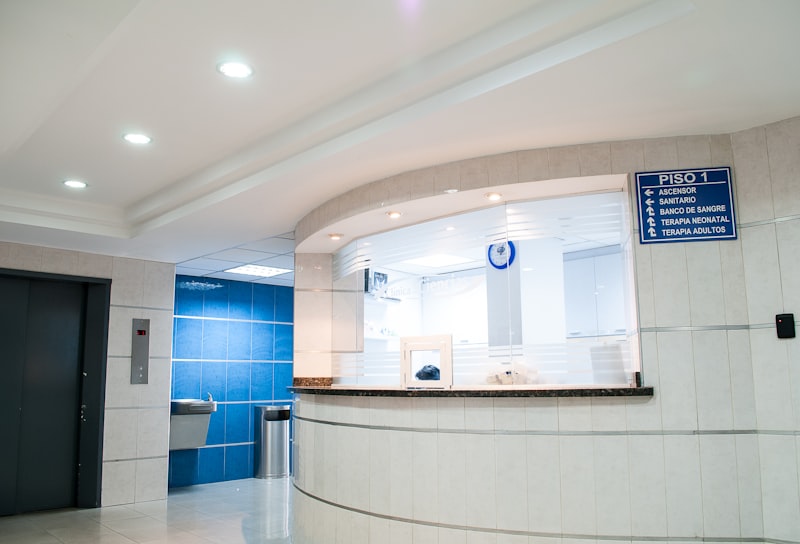
Where you sleep after a clinic visit is a medical decision disguised as a travel decision. The wrong accommodation can mean sleepless nights from street noise, exhausting subway rides with a swollen face, or a room too small for the rest and elevation your body needs. International patients in Korea usually choose between traditional hotels and serviced apartments, each with distinct advantages for recovery.
This guide compares both options for post-procedure stays in Seoul, Busan, and other medical tourism hubs, with practical advice on location, amenities, and booking timing.
Why Recovery Housing Matters More Than Tourism Housing
Tourism lodging prioritizes sightseeing and nightlife. Recovery lodging prioritizes:
- Proximity to the clinic for daily or frequent follow-up appointments
- Quiet environments that support sleep and reduce stress
- Elevator access when stairs are difficult after surgery
- Space for medications, ice packs, and compression garments
- Flexible check-in when discharge times from clinics are unpredictable
Your procedure type should drive the choice. Minor dermatology may tolerate a standard business hotel. Major plastic surgery or dental bone grafting may require a apartment-style layout with kitchenette and room to recline.
Hotels: Strengths for Short Recovery Stays
Hotels remain the default for many first-time medical tourists because booking platforms are familiar and front-desk staff handle daily logistics.
Advantages
- Daily housekeeping when changing dressings and linens frequently matters
- Concierge assistance for pharmacy runs, taxi calls, and meal delivery apps
- Predictable standards in international chains with English-speaking staff
- Central locations near Gangnam, Myeongdong, and hospital districts
Disadvantages
- Smaller rooms may feel cramped during extended swelling phases
- Noise on main commercial streets can disrupt sleep
- Limited in-room cooking increases reliance on delivery food, which may not suit post-dental or gastric-sensitive recovery
- Nightly costs add up over two- or three-week stays
Hotel Features to Prioritize
- Request high floors away from street noise when possible
- Confirm bed type; some patients prefer two twins for elevated sleeping
- Ask about late checkout or hourly extensions for final clinic clearance days
- Verify wheelchair or step-free access if mobility will be limited
Serviced Apartments: Strengths for Longer or Surgical Recovery
Serviced apartments and residence-style hotels offer residential layouts with kitchenettes, washing machines, and separate living areas. They dominate longer stays among repeat medical visitors.
Advantages
- More space to recline, store supplies, and receive a companion comfortably
- Kitchen facilities for soft diets, broths, and hydration routines
- Laundry in-unit for garment care and towel changes without hotel fees
- Cost efficiency over weekly or monthly bookings compared with nightly hotel rates
Disadvantages
- Less frequent cleaning unless you purchase add-on housekeeping
- Variable quality between brands; photos may not reflect actual units
- Check-in procedures can be less flexible than twenty-four-hour hotel desks
- Location trade-offs; residential towers may sit slightly farther from clinic clusters
Apartment Features to Prioritize
- Elevator reliability and lobby security for late-night returns from clinic
- Blackout curtains and air filtration if you are sensitive to urban dust
- Proximity to convenience stores and pharmacies within walking distance
- Clear policy on visitors if a caregiver or nurse will stay overnight
Location: The Non-Negotiable Factor
Both hotels and apartments fail if they are too far from your clinic. After facial surgery or vision procedures, even short taxi rides feel jarring. Aim for walking distance or a five-minute car ride when your clinic confirms follow-up frequency.
Look one or two blocks off main arteries in districts like Gangnam, Sinsa, or Seomyeon in Busan. Side streets often combine clinic access with residential quiet.
Matching Stay Length to Procedure Type
| Recovery profile | Typical stay | Lodging suggestion | | | --- | | Same-day dermatology | One to three nights | Compact hotel near clinic | | Dental implants stage one | Three to seven nights | Hotel or apartment with kitchen | | Rhinoplasty or jaw surgery | Ten to twenty-one nights | Apartment or suite hotel with space | | Health screening only | One to two nights | Business hotel near hospital |
Adjust upward if your clinic recommends deswelling sessions every day or two.
Companions, Caregivers, and Extra Guests
If a family member travels with you, apartments often provide better shared space and lower incremental cost. Confirm guest registration requirements; some buildings require passport copies for all occupants.
Clinics occasionally partner with nearby residences offering shuttle loops. Ask whether such partnerships exist before booking independently.
Booking Timing and Cancellation Flexibility
Do not finalize lodging until procedure dates are reasonably firm. Surgical schedules slip. Prefer rates with moderate cancellation windows aligned to your clinic deposit policy.
Share your recovery needs when messaging properties: request quiet rooms, early check-in when possible, and permission for food delivery to the door when you cannot go out.
Safety and Hygiene Considerations
Recovery immune systems deserve clean environments. For apartments, ask about cleaning between guests and whether linens are hotel-grade or self-provided. For hotels, inquire about hypoallergenic bedding if you have sensitivities.
Keep clinic emergency numbers and address cards in both Korean and English by the door for taxi drivers if you must return urgently.
Research Clinics and Neighborhoods Together
Choose accommodation and clinic as a pair. The KR Care interactive map displays providers from official Korea Tourism Organization (KTO) medical-tourism listings, helping you identify neighborhoods where licensed clinics cluster.
Once you shortlist clinics, verify addresses, follow-up schedules, and any lodging partnerships directly with the clinic before signing apartment leases or non-refundable hotel rates.
Red Flags in Recovery Housing
- Properties requiring steep non-refundable prepayment without verifiable reviews
- Listings far from public transit when you cannot use subways post-procedure
- No elevator in a walk-up building
- Hosts unwilling to disclose exact unit floor or noise conditions
- Pressure to book a specific residence through a clinic-affiliated broker without written terms
Settle In and Heal Well
The best recovery stay is boring in the best way: close to your clinic, quiet at night, and flexible enough for unexpected extra follow-up days. Compare hotels and apartments honestly against your procedure plan rather than defaulting to whichever platform you use for vacations.
Use the KR Care interactive map to locate licensed clinics first, then choose lodging within comfortable reach. Confirm appointment dates and aftercare frequency with the clinic before you pay for a long-term apartment or prepaid hotel block.
Was this page helpful?
Your feedback helps us improve our guides