
Seoul vs. Busan Medical Trip: Your Ultimate Guide to Clinics, Recovery, and Costs in Korea
📅 2026-07-27
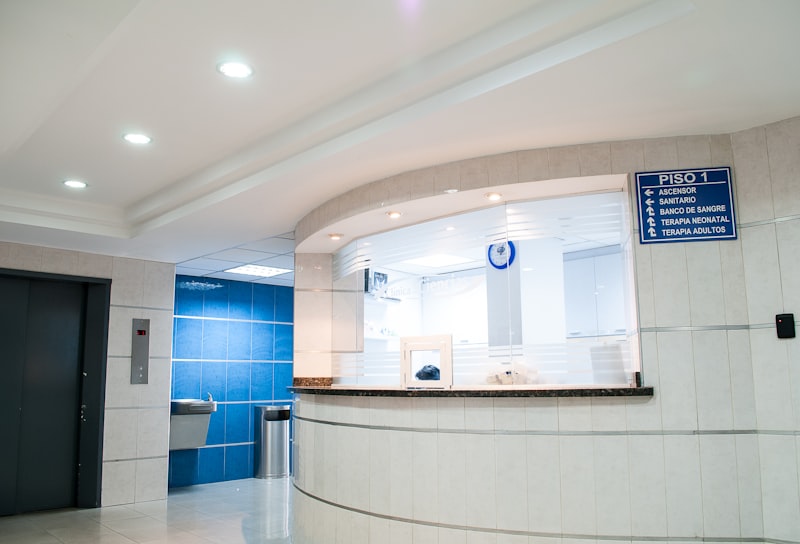
Planning a medical trip to Korea presents a critical choice: Seoul or Busan? Both cities offer world-class medical facilities and unique advantages for international patients. Understanding their distinct characteristics is key to tailoring a successful and comfortable healthcare experience.
Seoul vs. Busan: A Quick Overview for Medical Tourists
Seoul, the vibrant capital, is a bustling metropolis renowned for its innovation, extensive infrastructure, and as a global hub for medical tourism. It boasts an unparalleled concentration of hospitals and specialized clinics, particularly in areas like plastic surgery, dermatology, and complex procedures, attracting patients seeking the absolute cutting edge of medical technology and a vast array of choices. The city's energy, cultural attractions, and diverse accommodation options cater to a fast-paced yet comfortable recovery stay.
Busan, Korea's second-largest city, offers a different appeal. As a port city with beautiful coastal scenery, it provides a more relaxed and picturesque setting. While its clinic density isn't as high as Seoul's, Busan is a rapidly growing medical trip destination, recognized for excellent general healthcare, traditional Korean medicine, and a welcoming atmosphere that might appeal to those prioritizing a tranquil recovery stay experience. For many procedures, a cost comparison reveals that Busan can offer a more budget-friendly option without compromising on quality.
Clinic Density and Specialization: Where to Find Your Care
The concentration and variety of medical institutions significantly impact your options and convenience.
Seoul's Medical Landscape
Seoul is synonymous with high clinic density. Areas like Gangnam, Apgujeong, and Myeongdong are packed with specialized clinics and renowned university hospitals, making it easy to find expertise for almost any medical need.
- Plastic Surgery & Dermatology: Gangnam is globally famous for its aesthetic clinics, offering everything from complex reconstructive surgeries to advanced skincare treatments.
- Specialized Treatments: Seoul houses numerous centers of excellence for cardiology, oncology, ophthalmology, dentistry, and fertility treatments, often equipped with the latest diagnostic and surgical technologies.
- Comprehensive Health Check-ups: Many large hospitals offer highly detailed, executive-level health screening programs tailored for international visitors.
- University Hospitals: Institutions like Severance Hospital, Asan Medical Center, and Samsung Medical Center are internationally recognized for their research, advanced treatments, and often have dedicated international patient centers.
The sheer volume of options in Seoul means you have more choices for specialists, second opinions, and clinics accustomed to serving a diverse international clientele, including those offering comprehensive English-speaking services and international coordination.
Busan's Medical Landscape
Busan presents a growing and highly capable medical sector, albeit with a lower clinic density compared to Seoul. Its medical strengths are diverse and appealing, particularly for those seeking a balance of quality and environment.
- General Healthcare & Internal Medicine: Busan has many excellent general hospitals and clinics providing high-quality care across various medical fields.
- Traditional Korean Medicine (TKM): The city is a strong center for TKM, offering a range of holistic treatments often sought by international visitors.
- Eye Care & Dental: Busan boasts a reputable number of clinics specializing in ophthalmology (e.g., LASIK) and dentistry, often at a more competitive cost comparison than Seoul.
- Wellness and Anti-aging: With its natural beauty, Busan is developing its niche in wellness and anti-aging treatments, often integrating with spa and resort facilities for a holistic recovery stay.
- University Hospitals: Pusan National University Hospital and Dong-A University Hospital are key institutions offering advanced medical services and often have international patient coordination.
While Seoul might offer more specialized sub-disciplines due to its scale, Busan provides robust and excellent care across a wide range of common and specialized treatments, often within a more serene environment.
Navigating Your Medical Journey: Practical Steps
Regardless of your chosen city, certain practical steps are universal for a smooth medical trip.
Initial Research and Booking
- Identify Your Needs: Clearly define the medical procedure or consultation you require.
- Use Reliable Resources: The KR Care map is an excellent starting point, as its listed clinics come from official Korea Tourism Organization (KTO) medical tourism listings. This ensures a baseline of quality and accreditation.
- Always Verify Details with the Clinic: While KTO listings are reliable, clinic information (services, doctors, specific pricing, opening hours) can change. It is crucial to directly contact your chosen clinic for the most current and accurate information.
- Contact Clinics: Reach out via their official website, email, or international patient hotline. Many clinics have dedicated English-speaking coordinators.
- Request Consultations/Quotes: Ask for a preliminary consultation (often virtual) and a detailed cost estimate. Be clear about what is included.
Language and Interpreter Services
Effective communication is paramount in a medical setting.
- Seoul: Due to its high international patient volume, many clinics and major hospitals in Seoul have dedicated international departments with fluent English, Chinese, Japanese, and sometimes Russian or Arabic-speaking staff. Independent interpreter services are also readily available.
- Busan: While perhaps fewer in number than Seoul, reputable clinics in Busan also offer English-speaking staff or can arrange interpreters. Always confirm their language support services upfront.
- Translation Apps: For everyday interactions outside the clinic, apps like Papago (Naver Translate) are highly effective for Korean-English translation.
Deposits and Payment
It is standard practice for Korean clinics to request an advance deposit to confirm appointments, especially for surgical procedures or extensive treatments.
- Understand Policies: Clarify the clinic's deposit and refund policy, including cancellation terms.
- Payment Methods: Most clinics accept major international credit cards. Wire transfers are common for larger sums. Payments are typically in Korean Won (KRW).
- Full Scope of Costs: Ensure your quote details all potential costs: pre-operative tests, consultation fees, procedure fees, anesthesia, post-operative medications, follow-up appointments, and any potential hospitalization. This transparency is vital for accurate cost comparison.
What to Ask Your Clinic (Crucial Questions)
Before committing, arm yourself with information by asking these key questions:
- Detailed Cost Breakdown: "What is the total cost comparison for this procedure, including all pre-operative, operative, and post-operative care, medications, and follow-ups?"
- Doctor's Qualifications: "What are the surgeon's/doctor's qualifications, experience, and specialization in this specific procedure? Can I see their professional credentials?"
- Pre-operative Requirements: "What tests, consultations, or lifestyle adjustments are required before the procedure?"
- Recovery Duration and Support: "What is the expected recovery stay duration? What kind of post-operative care and support will be provided during my recovery in Korea?"
- Post-operative Care: "What are the instructions for post-operative care, follow-up appointments, and medication? Will there be remote follow-ups once I return home?"
- Emergency Protocols: "What is the emergency protocol in case of complications? Who do I contact?"
- Language Support: "Will I have access to an English-speaking coordinator or interpreter at all stages of my treatment?"
- Insurance: "Do you work with international insurance providers, or is this an out-of-pocket expense?" (Note: Most elective procedures are not covered by travel insurance).
Red Flags to Watch Out For
While Korea has a high standard of medical care, being vigilant is important.
- Pressure Sales Tactics: Avoid clinics that pressure you into immediate decisions or additional procedures you haven't researched.
- Unrealistic Promises: Be wary of clinics promising "miraculous" or guaranteed results, particularly in aesthetic procedures.
- Lack of Transparency: Any clinic unwilling to provide a detailed cost comparison, explain procedures thoroughly, or share doctor credentials should raise concerns.
- No Formal Consultation: A reputable clinic will always require a thorough consultation and examination before recommending a procedure.
- Poor Communication: Difficulty getting clear, timely answers to your questions in your preferred language is a major red flag, as it can indicate broader organizational issues.
- Unlicensed Practitioners: Always verify that the medical staff are licensed and board-certified in Korea.
Recovery Stay and Accommodation
Your recovery stay environment can significantly impact your overall experience and healing.
Seoul's Recovery Options
Seoul offers a wide spectrum of accommodation for your recovery stay, integrated with its high clinic density.
- Serviced Apartments: Ideal for longer stays, offering amenities like kitchens and laundry. Many are located near medical districts.
- Medical Hotels/Post-operative Care Centers: Some high-end clinics or hospitals partner with specialized recovery facilities that provide nurse support, post-op meals, and comfortable environments.
- Luxury & Boutique Hotels: Abundant options for all budgets, providing comfort and easy access to shopping and dining for gentle recovery activities.
- Accessibility: Seoul's efficient public transit system ensures easy travel between your accommodation, clinic, and various attractions for light excursions.
For those seeking a bustling urban experience and extensive post-operative support readily available near clinics, Seoul is an excellent choice.
Busan's Recovery Options
Busan offers a more tranquil and scenic setting for your recovery stay.
- Coastal Resorts & Hotels: Enjoy sea views and fresh air, promoting a calm healing environment. Many luxury hotels offer wellness facilities.
- Guesthouses & Boutique Stays: Charming and often more affordable options, particularly in areas like Haeundae or Gwangalli.
- Relaxed Atmosphere: The city's slower pace and beautiful natural surroundings (beaches, mountains) are conducive to a stress-free recovery.
- Nature & Wellness: Consider integrating light walks along the beach or visits to local spas (check with your doctor first!) as part of your recovery.
- Cost Comparison: Accommodation in Busan is often more affordable than in comparable areas of Seoul, which can significantly reduce your overall cost comparison for the trip.
If a peaceful, scenic environment with access to nature is your priority for recovery, Busan is highly appealing.
Transit and Logistics: Getting Around
Efficient transit is crucial for appointments, exploring, and moving between cities.
Seoul's Transit Advantage
- International Hub: Incheon International Airport (ICN) is a major global gateway, offering direct flights from countless cities worldwide. It's seamlessly connected to Seoul via AREX (Airport Railroad Express) and limousine buses.
- Extensive Public Transportation: Seoul boasts one of the most efficient and comprehensive subway and bus systems in the world, making it incredibly easy to navigate the city, especially its high clinic density areas.
- KTX Access: Seoul Station is a major hub for the KTX high-speed rail, connecting you quickly to other parts of Korea, including Busan.
Busan's Transit Advantage
- International Airport: Gimhae International Airport (PUS) serves Busan with international flights, primarily from Asian destinations. For long-haul travelers, connecting through ICN is common, followed by a domestic flight or KTX ride.
- KTX High-Speed Rail: Busan is well-connected to Seoul via the KTX, with a journey time of approximately 2.5 to 3 hours, offering comfortable and scenic travel.
- Local Public Transportation: Busan also has an excellent subway and bus system, making it easy to reach clinics, beaches, and attractions.
- Walkability: Many popular areas, especially along the coast, are quite walkable, adding to the relaxed feel.
Both cities offer excellent internal transit networks, but Seoul benefits from being the primary international air hub, simplifying initial arrival logistics for many.
Cost Comparison: Seoul vs. Busan
A significant factor for many international patients is the overall cost comparison. While it's impossible to give exact figures without knowing the specific procedure, general trends can be observed.
- Procedure Costs: For similar procedures and quality of care, Busan can often present a slightly lower cost comparison than Seoul. This is typically due to differences in overhead, real estate costs, and market demand. However, this is not always true, especially for highly specialized, cutting-edge procedures where Seoul clinics might have a volume advantage.
- Accommodation: Busan generally offers more affordable accommodation options, from hotels to serviced apartments, compared to equivalent quality and location in Seoul.
- Living Expenses: Daily living expenses like dining, transportation, and casual shopping can also be marginally lower in Busan.
- Hidden Costs: Always consider potential 'hidden' costs like interpreter fees (if not provided by the clinic), local transport, and activities during recovery stay.
Crucial Advice: Do not assume one city is universally cheaper. Always obtain detailed, itemized quotes from several clinics in both Seoul and Busan for direct cost comparison based on your specific needs.
Making Your Decision: Key Factors
Your final choice between Seoul and Busan for your medical trip will depend on a combination of personal preferences and medical requirements:
- Procedure Complexity & Specialization: For extremely rare, complex, or highly specialized procedures, Seoul's higher clinic density and concentration of top-tier university hospitals might offer more options and cutting-edge technology.
- Budget: If minimizing the overall cost comparison (including procedure, accommodation, and living expenses) is a priority, Busan might offer better value for many standard procedures.
- Recovery Stay Environment: Do you prefer the energetic, diverse urban environment of Seoul with its extensive amenities and post-op support networks, or the tranquil, scenic, and relaxed coastal atmosphere of Busan for your recovery?
- Logistics & Travel Preferences: Consider direct flight availability, ease of internal transit, and your comfort level with navigating a bustling city versus a slightly less frenetic one.
- Personal Vibe: Some patients prefer the non-stop energy and fashion-forward atmosphere of Seoul, while others are drawn to Busan's laid-back, friendly, and nature-connected charm.
Ultimately, both Seoul and Busan provide exceptional medical care for international visitors. Your ideal destination depends on balancing your specific medical needs with your desired travel experience, recovery stay environment, and budget considerations.
Begin your informed medical trip planning today. Explore clinics listed on the KR Care map, which feature officially recognized medical tourism providers from the Korea Tourism Organization. Remember to always verify specific details directly with your chosen clinic to ensure the most current and accurate information for your journey.
Was this page helpful?
Your feedback helps us improve our guides